How to Use a Blackstone Portable Pizza Oven for Perfect Homemade Pizza

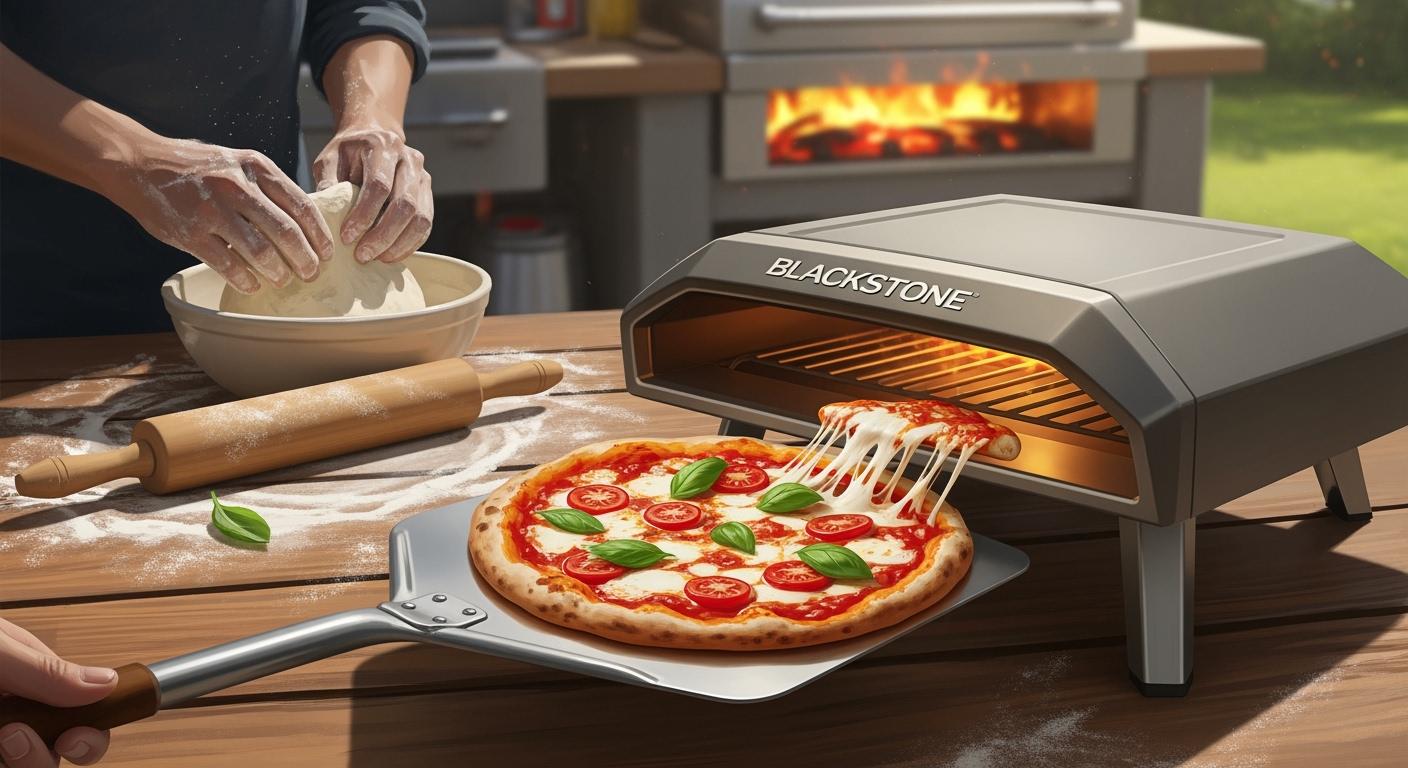
You can make perfect homemade pizza with a blackstone portable pizza oven by following a few simple steps. Start by prepping your dough and toppings, then preheat your oven until it hits the right temperature. Launch your pizza onto the stone, rotate it for even cooking, and remove it when the crust looks golden. Paying attention to temperature and using the right tools makes a big difference. Check out this table of common mistakes so you can avoid them and get great results:
Common Mistake | Description |
|---|---|
Dough too thick | Not rolling dough thin enough causes it to puff up. |
Pizza stuck to the peel | Too little flour leads to sticking and messy toppings. |
Not monitoring cooking | Pizza cooks quickly, so you need to watch it closely. |
Making pizza at home is fun and easy. The Blackstone pizza oven ODM service boosts performance, giving you more reliable results every time.
Key Takeaways
Preheat your Blackstone pizza oven for at least 30 minutes to achieve a crispy crust.
Use semolina or cornmeal on your pizza peel to prevent sticking and ensure smooth transfers.
Monitor the cooking time closely; most pizzas cook in just 3 to 5 minutes at high heat.
Experiment with homemade dough for better flavor and texture; adjust hydration levels for your preferred crust.
Organize your sauce and toppings before cooking to streamline the pizza-making process.
Blackstone Portable Pizza Oven Overview And Tools
Key Features Of The Blackstone Pizza Oven
If you want a pizza oven that brings restaurant-quality results to your backyard, the blackstone portable pizza oven stands out. This oven weighs about 68 pounds, so it feels sturdy and solid. You can use it with a 1lb propane tank, which makes it easy to set up almost anywhere. The oven has two burners under the pizza stone. These burners help heat the stone quickly and evenly, but the built-in thermometer might not always show the exact stone temperature because of their placement. You can choose between a semi-stainless steel or an all-black version, depending on your style.
Here are some features that make the blackstone pizza oven special:
Feature | Description |
|---|---|
Rotating lower stone and radiant upper stone give you even heat, just like a wood-fired oven. | |
Crust Control Technology | Balances cooking across the whole pizza, so you don’t have to keep adjusting it. |
You also get a heat-retaining front door and high heat retention. These features help the oven stay hot and cook your pizza fast, giving you a crispy crust every time.
Tip: The blackstone pizza oven ODM service can boost performance and reliability, making your pizza nights even smoother.
Essential Tools For Homemade Pizza
You need the right tools to get the best results from your blackstone pizza oven. Here’s a quick list of what you should have on hand:
Infrared thermometer: Check the stone temperature for perfect cooking.
Pizza peel: Slide your pizza in and out without losing toppings or burning your hands.
Pizza stone: This is where your pizza cooks, so make sure it’s clean and preheated.
Blackstone 14” stainless steel pizza pan rocker: Slice your pizza easily and safely.
Sauce ladle: Spread your sauce evenly for a balanced flavor.
Using an infrared thermometer helps you avoid burning the crust and ensures your toppings cook just right. A good pizza peel lets you move your pizza smoothly, keeping everything in place and your hands safe. These tools make the whole process easier and help you get consistent, delicious results every time.
Preparing For Homemade Pizzas
Making And Handling Pizza Dough
You get the best results when you make homemade pizza dough yourself. You can experiment with different types of flour, like bread flour or even specialty blends, to create a unique flavor and texture. Store-bought dough usually sticks to basic ingredients, but homemade lets you personalize every batch. You can mix and match flours until you find your signature style. This freedom makes making homemade pizzas more fun and rewarding.
Letting your dough rise properly is key. If you want a chewy crust, you should pay attention to hydration levels. Check out this table for guidance:
Pizza Style | Recommended Hydration Level |
|---|---|
Wood-Fired (Neapolitan) | 60-70% |
New York Style | 58-65% |
General Pizza Styles | 60-75% |
When you let your homemade dough rise, it develops flavor and gets airy. You can shape it easily and avoid tearing. If you want to make homemade pizzas with a crispy crust, let the dough rest and rise for at least an hour.
Tip: Try making homemade pizzas with your own dough recipe. You can adjust the hydration and flour types to suit your taste.
Prepping Sauce And Toppings
While your oven heats up, you should prep your sauce and pizza toppings. Homemade pizzas taste better when you use fresh ingredients and organize everything before cooking. You can make pizza sauce from scratch or use a favorite jarred option. Spread it evenly for balanced flavor.
Here are some popular topping combos you might want to try:
Flavor Profile | Toppings |
|---|---|
Sweet & Savory | Fig + Prosciutto + Arugula |
Spicy & Cheesy | Hot Honey + Pepperoni + Ricotta |
Nutty & Creamy | Pistachios + Burrata + Basil |
Smoky & Tangy | BBQ Chicken + Red Onion + Cilantro |
Earthy & Decadent | Truffle Oil + Mushrooms + Parmesan |
Organizing your sauce and toppings ahead of time helps you work faster and keeps your homemade pizzas consistent. You can see the benefits in this table:
Benefit | Explanation |
|---|---|
Consistency | Ensures every pizza is made with the same fresh, properly stored ingredients, leading to a more consistent final product. |
Portion Control | Becomes easier and more accurate when all toppings are organized in front of the cook, ensuring uniformity in each pizza. |
Reduced Labor Costs | Increases efficiency, allowing one person to handle tasks that might require multiple staff, thus enhancing productivity. |
Making homemade pizzas becomes easier when you prep everything in advance. You can focus on cooking and enjoy the process without rushing.
Cooking With The Blackstone Pizza Oven
Preheating And Temperature Control
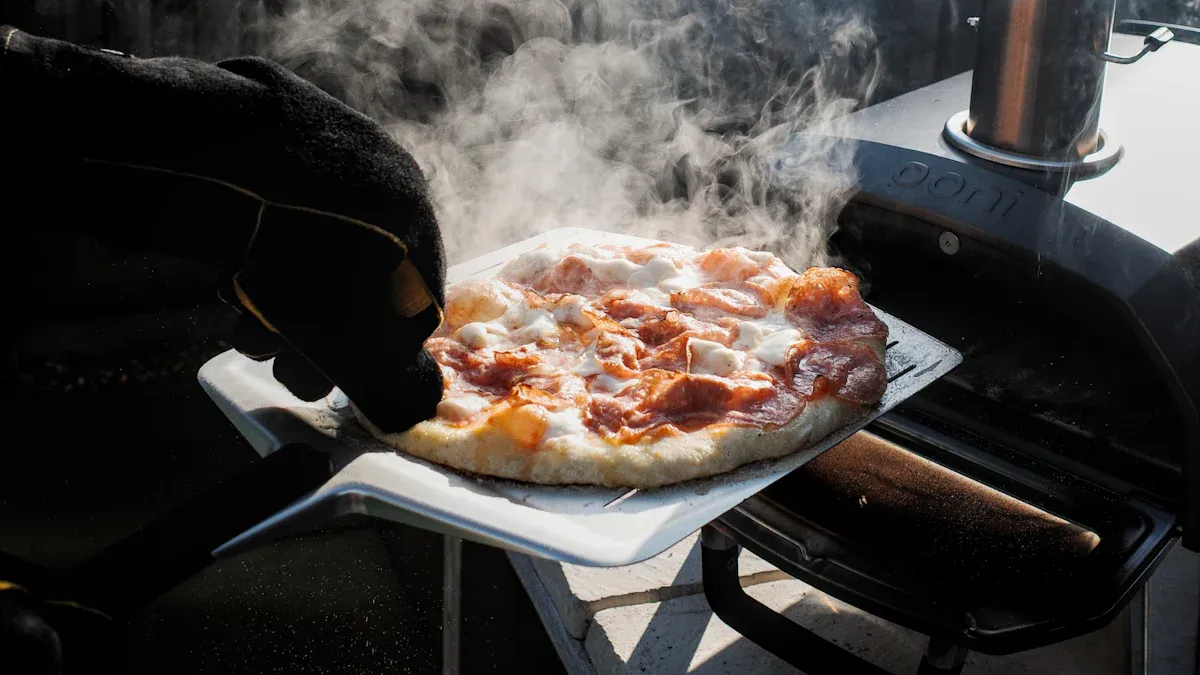
You want your blackstone portable pizza oven to deliver restaurant-quality results. Start by preheating the oven. Set the temperature between 500°F and 550°F. Let the oven heat for at least 30 minutes, but if you have time, 45 minutes gives you even better heat retention. This step makes sure the pizza stone gets hot all the way through. If you rush preheating, your crust might turn out soggy or pale.
You can use an infrared thermometer to check the stone temperature. Not all models work well at high heat. The Fluke 62 MAX+ stands out for accuracy and quick readings. Some other thermometers, like the Etekcity 774, don’t measure high temperatures reliably. Here’s a quick comparison:
Model | Accuracy at High Temp | Recommended for Pizza Ovens |
|---|---|---|
Etekcity 774 | Inaccurate above 300°F | No |
Etekcity 630 | Slow and fluctuating | Maybe |
Fluke 62 MAX+ | Superior accuracy | Yes |
You want the stone to reach at least 650°F for a crispy crust. If you aim for a perfect pizza, don’t rely only on the oven’s built-in thermometer. Use your infrared thermometer to check the stone itself.
Tip: Preheat your oven longer if you want to bake multiple pizzas. The stone stays hot and gives you consistent results.
Launching And Rotating The Pizza
Launching your pizza into the oven takes practice. You need to prevent sticking and make sure the dough cooks evenly. Here’s a step-by-step guide:
Dust your pizza peel with semolina or cornmeal. These grains act like tiny ball bearings and add flavor.
Place your pizza dough on the peel. Give it a gentle shake. If the dough moves freely, you’re ready.
Add sauce, cheese, and toppings quickly. Don’t let the dough sit too long on the peel.
Slide the pizza onto the stone with a swift motion. Aim for the center.
If you worry about sticking, you can use parchment paper for the transfer. Some cooks prefer a jiggle test before launching. If the pizza slides easily, you won’t have trouble.
Once the pizza is in the oven, rotate it every 30 seconds. The blackstone portable pizza oven heats unevenly in some spots. Rotating helps the crust cook evenly and prevents burnt cheese. Use your peel to turn the pizza. Watch the cheese bubble and the crust puff up.
Note: Rotating the pizza keeps the cheese from burning and gives you a golden, crispy edge.
Achieving The Perfect Crust
You want your pizza to have a crispy crust and gooey cheese. The oven temperature plays a big role. Higher heat makes the dough puff up and creates an airy edge. The pizza stone or steel holds the heat and gives you a charred finish.
Here’s what helps you get that perfect crust:
Factor | Description |
|---|---|
Oven Temperature | High heat (up to 500°C) puffs dough and chars the edge. |
Dough Hydration | Moist dough needs quick, even heat to seal the crust. |
Baking Surface | Pizza stone or steel keeps heat steady and mimics pro ovens. |
Preheat your oven to the highest temperature available. Use a pizza stone for best results. Make sure the oven is fully hot before baking. If you want a crispy crust, don’t overload the pizza with sauce or cheese. Too much moisture slows down the cooking.
Typical cook times depend on the pizza style. Most pizzas bake in 6 to 12 minutes. If you make a large 16-inch pizza, it can cook in about 2 minutes at high heat. Watch the cheese melt and the crust turn golden. Pull the pizza out when the cheese bubbles and the edges look crisp.
Callout: If you want gooey cheese and a crispy crust, use high heat and rotate the pizza often.
You can experiment with different dough hydration levels and cheese blends. Try mozzarella, provolone, or even a sprinkle of parmesan. Each cheese melts differently and adds flavor. If you want a perfect pizza, balance your toppings and keep the crust thin.
Tips And Troubleshooting For Homemade Pizza
Preventing Sticking And Uneven Cooking
You want your homemade pizza to slide off the peel and cook evenly every time. Sticking can ruin your pizza and make cleanup harder. Try these simple tricks:
Sprinkle semolina flour on your pizza peel. This creates a non-stick layer and adds a bit of crunch to your homemade crust.
Use a slotted pizza peel. The slots let extra flour fall away, so your pizza doesn’t stick or burn.
Preheat your oven until the floor reaches at least 650°F. This helps your homemade pizza cook fast and crisp.
Monitor the dome temperature. Aim for 700° to 800°F for the best results.
Rotate your pizza during cooking. This gives you even browning and prevents burnt spots.
Make smaller pizzas. They cook more evenly and let you try different toppings.
Tip: An infrared thermometer gives you accurate readings, so you know when your oven is ready for homemade pizza.
Cleaning And Maintaining The Oven
Keeping your Blackstone portable pizza oven clean helps you make safe, delicious homemade pizza. If you use your oven often, wipe it down after every session. For weekend cooks, clean it thoroughly once or twice a month. Plan a deep clean at least once per season or after every 10–15 heavy uses.
Usage Level | Cleaning Frequency |
|---|---|
Heavy (multiple/week) | After every session |
Casual (weekends) | Once or twice a month |
Deep Clean | Every season or 10–15 heavy uses |
Remove crumbs and burnt cheese from the pizza stone. Check burners for blockages. Wipe down the exterior with a damp cloth. Regular care keeps your oven ready for homemade pizza anytime.
Experimenting With Styles And Techniques
Trying new homemade pizza styles makes cooking more fun. Proof your dough for better flavor and texture. Mix up your toppings—think sweet, spicy, or nutty combos. Shape your pizza differently or make mini pies for parties. You improve your homemade pizza quality and express your creativity.
Enhance flavor and texture with dough proofing.
Create unique topping combinations.
Customize shapes and sizes for homemade pizza.
Boost overall pizza quality.
Show off your personal style in homemade pizza making.
Callout: Homemade pizza lets you experiment and enjoy every bite. Try new ideas and make each pizza your own.
You can make perfect homemade pizza with your Blackstone Portable Pizza Oven by following a few key steps. Try these tips for best results:
Use flour and cornmeal to prevent sticking.
Preheat the oven to over 400°F.
Cook pizzas for 3-5 minutes.
Experiment with toppings like mozzarella, pepperoni, and sausage.
Choose fresh ingredients and essential tools for quality.
Many users love how easy the oven is to use and clean. You can make up to 10 pizzas an hour. The ODM service boosts performance, making your pizza nights even better.
FAQ
How long should you preheat the Blackstone pizza oven?
You should preheat your Blackstone pizza oven for at least 30 minutes. If you want a crispier crust, let it heat for 45 minutes. Use an infrared thermometer to check the stone temperature.
What is the best way to prevent pizza from sticking to the peel?
Sprinkle semolina or cornmeal on your pizza peel. These grains help your dough slide off easily. You can also use a slotted peel to reduce sticking. Don’t let your dough sit too long before launching.
Can you use store-bought dough in the Blackstone pizza oven?
Yes, you can use store-bought dough. Homemade dough gives you more control over flavor and texture, but store-bought works well for quick pizza nights. Just let it come to room temperature before shaping.
How do you clean the pizza stone after cooking?
Let the pizza stone cool completely. Use a dry brush or scraper to remove crumbs and burnt cheese. Avoid using water or soap. Wipe the stone with a damp cloth if needed.
See Also
Achieve Culinary Perfection With A Mini Pizza Oven
A Guide To Effectively Using Your Electric Pizza Maker
Transform Your Grill Into A Functional Pizza Oven